

We Deal with Cerebral Palsy

Understanding Cerebral Palsy: Causes, Symptoms, and Holistic Care for a Better Quality of Life

1 in 345

Children in the United States are affected

85-90%

Of cases of Cerebral Palsy are caused by brain damage before or during birth

17 million

People worldwide live with Cerebral Palsy

What is Cerebral Palsy?

Father joyfully lifts daughter in a garden with vivid pink flowers and wooden fence.

Cerebral Palsy (CP) is a group of neurological disorders that affect movement, muscle tone, and posture due to damage to the developing brain. This condition typically occurs before or during birth or in early childhood and can range from mild to severe. Individuals with CP may experience difficulties in walking, coordination, and speech, often requiring ongoing therapy and support. While CP is a lifelong condition, early diagnosis and intervention, including physical therapy, occupational therapy, and assistive technologies, can significantly improve quality of life. Management often involves a multidisciplinary approach tailored to the individual’s unique needs and goals

Cerebral Palsy Management

Cerebral Palsy treatment focuses on improving quality of life through a multidisciplinary approach. While it cannot be cured, therapies like physical therapy, occupational therapy, and speech therapy help enhance mobility and communication skills. Medications can manage muscle stiffness, and in severe cases, surgery may improve movement. Assistive devices, such as wheelchairs and braces, support independence. Early intervention is crucial for better outcomes. Source: CDC – Cerebral Palsy Treatment.

What Causes Cerebral Palsy?

Cerebral Palsy results from brain damage during fetal development, birth, or early childhood. Factors like oxygen deprivation, premature birth, infections during pregnancy (e.g., rubella or cytomegalovirus), and severe jaundice are common causes. Brain injuries in early life due to trauma or infections like meningitis can also contribute. While many cases are linked to prenatal issues, about 10-15% result from postnatal complications. Understanding the root cause helps tailor treatments and interventions.
Source: NIH – Cerebral Palsy Overview.

How Common is Cerebral Palsy?

Cerebral Palsy is the most prevalent motor disability in childhood, affecting approximately 1 in 345 children in the U.S. globally, it impacts about 17 million people. Studies show that boys are slightly more affected than girls. This high prevalence underscores the need for awareness, early diagnosis, and access to multidisciplinary care for better management outcomes.
Source: CDC – Cerebral Palsy Facts.

Types of Cerebral Palsy

There are four main types of Cerebral Palsy: Spastic CP, which causes stiff muscles and affects 70-80% of cases; Dyskinetic CP, involving involuntary movements; Ataxic CP, which impacts balance and coordination; and Mixed CP, a combination of symptoms. Identifying the specific type helps in developing targeted therapies and interventions to improve mobility and daily functioning.
Source: MyChild – Types of Cerebral Palsy.

The Role of Early Intervention in CP

Early intervention programs, including physical therapy, occupational therapy, and speech therapy, are vital for children with Cerebral Palsy. These therapies improve motor function, enhance communication, and build independence. Studies show that starting therapy early can lead to significant improvements in mobility and quality of life. Therapists often work with families to create personalized care plans.
Source: CDC – Early Intervention.

Can Cerebral Palsy Be Prevented?

While not all cases can be prevented, reducing risk factors like managing infections during pregnancy, timely treatment of jaundice, and improving prenatal care can help. Preventive measures like ensuring proper maternal health, avoiding preterm birth, and addressing potential birth complications significantly reduce risks. Neonatal advancements and public health initiatives continue to improve outcomes for at-risk infants.
Source: March of Dimes – Preventing CP.

How is Cerebral Palsy Treated?

Treatment focuses on managing symptoms and enhancing quality of life. Physical therapy helps with mobility, speech therapy aids communication, and occupational therapy fosters independence. Medications for muscle stiffness and spasticity, assistive devices like wheelchairs, and surgical interventions, when needed, form part of the treatment plan. Each child’s treatment is personalized based on their type and severity of CP.
Source: CDC – Treatment of CP.

What is the Economic Impact of CP?

Cerebral Palsy requires lifelong care, with the estimated lifetime cost for one individual exceeding $1 million. These costs include medical care, therapy, assistive devices, and caregiver expenses. Financial support through government programs, nonprofits, and insurance plays a critical role in easing the economic burden on families. Early diagnosis and therapy can help reduce long-term costs by enhancing functionality and independence.
Source: NIH – Cerebral Palsy Costs.

Change Your Life

Find Your Inner Peace & Happiness

Exploring Breakthrough Studies

We have years of research experience and our papers has been published in research gate publications.

Publications
0 +
Reads
0 +
Citations
0 +

The Role of

Stress Management in ADD/ADHD

Balanced Diet for Growth and Development

Nutrition plays a crucial role in the overall well-being of individuals with cerebral palsy. Many patients have difficulty chewing, swallowing, or digesting food properly, leading to malnutrition or obesity. A well-balanced diet rich in essential nutrients, vitamins, and minerals supports muscle strength, bone health, and cognitive function. Some individuals may require feeding tubes or modified food textures to prevent choking and aspiration. A registered dietitian can create a personalized meal plan, ensuring optimal nutrition intake. Proper hydration is also vital to prevent constipation and dehydration, both common issues in CP patients.

healthy, food, fruits, diet, bowl of grapes, apples, bananas, glass of milk, fresh, nutrition, vegetarian, delicious, food, diet, diet, diet, diet, diet

Enhancing Independence through Supportive Devices

Mobility assistance is essential for individuals with cerebral palsy to achieve greater independence. Depending on the severity of their condition, they may require different types of assistive devices, such as walkers, orthotic braces, or motorized wheelchairs. Physical therapy plays a key role in helping patients adapt to these devices, improving balance, coordination, and strength. Home and workplace modifications, including ramps and accessible restrooms, also enhance mobility. Encouraging active movement through adaptive sports and hydrotherapy can further support motor function. The right mobility aids enable individuals to engage in education, employment, and social activities more effectively.
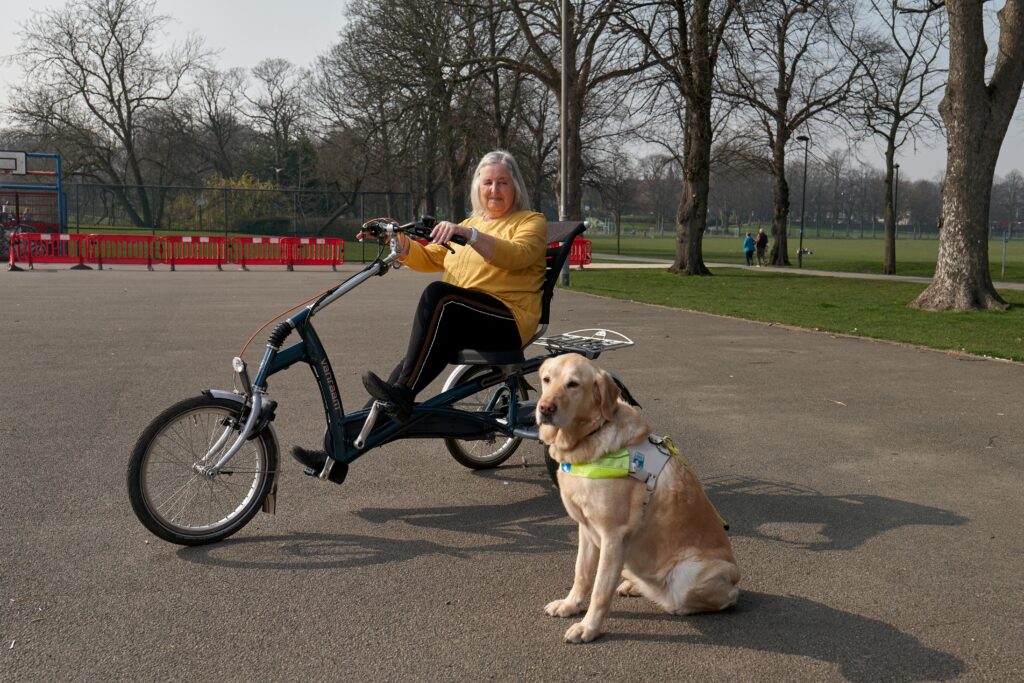
Elderly woman with guide dog on an adaptive bicycle in the park.


Emotional Support for Psychological Resilience

Mental well-being is just as important as physical health in managing cerebral palsy. Many individuals experience emotional distress due to physical limitations, social isolation, or difficulties with communication. Psychological support, including counseling and cognitive behavioral therapy (CBT), helps address anxiety and depression. Support groups and peer interactions create a sense of belonging and reduce feelings of loneliness. Schools and workplaces should provide inclusive environments to promote social participation. Encouraging hobbies, arts, and creative outlets can also enhance mental well-being. A strong support system from family, friends, and professionals helps build resilience and confidence.

 

A bearded man expressing emotional distress in a modern interior setting, seeking mental health support.

Improving Routine Tasks for Better Living

Daily activities like dressing, grooming, and cooking can be challenging for individuals with cerebral palsy due to motor impairments. Occupational therapy helps develop fine motor skills and adaptive techniques to improve independence. Assistive tools, such as adaptive utensils, button hooks, and voice-activated technology, make tasks easier. Caregivers and therapists work together to create structured routines that promote efficiency and confidence in performing daily tasks. Home modifications, including grab bars and non-slip flooring, further enhance safety. By improving self-care skills, individuals with cerebral palsy gain a greater sense of autonomy and dignity in their daily lives.

 

traffic light, crosswalk, people, intersection, noryangjin, set, student, crossing, busyness, daily life, gray-scale, street, road, crosswalk, crosswalk, crosswalk, crosswalk, intersection, daily life, daily life, daily life, daily life, daily life

Join Us in Making a Difference

Fill up the Form and Ask Your Queries

Address

Mirza Golam Hafiz College
Ashulia, Dhaka-1344, Bangladesh

Phone

+88-01743-038602

Email

mdmozzammelhaque@yahoo.com
anisur.rahman@g-med.org

Ask Your Queries

We need to know your name to address you.
This field is required.
Who is facing the issue?
This field is required.
You need to let us know what this is about.
Address
This field is required.
Country
This field is required.
Scroll to Top