

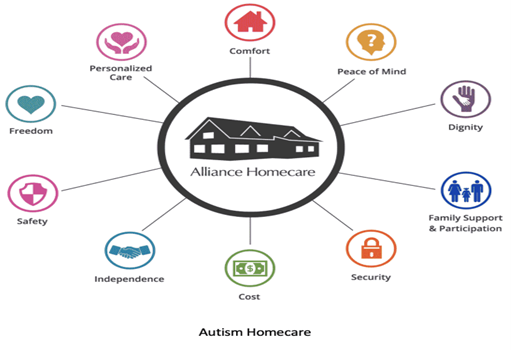
We Deal with Autism

Unlocking the Potential of Nutrition in Autism Research

Exploring innovative food-based solutions to support children and adults with autism.

59

of 10,000 population in Europe, are prevalant!

1 in 100

Children worldwide are diagnosed with Autism.

4 Times

More common in boys than girls.

What is Autism?

Young girl singing into a toy microphone, expressing joy and creativity indoors.

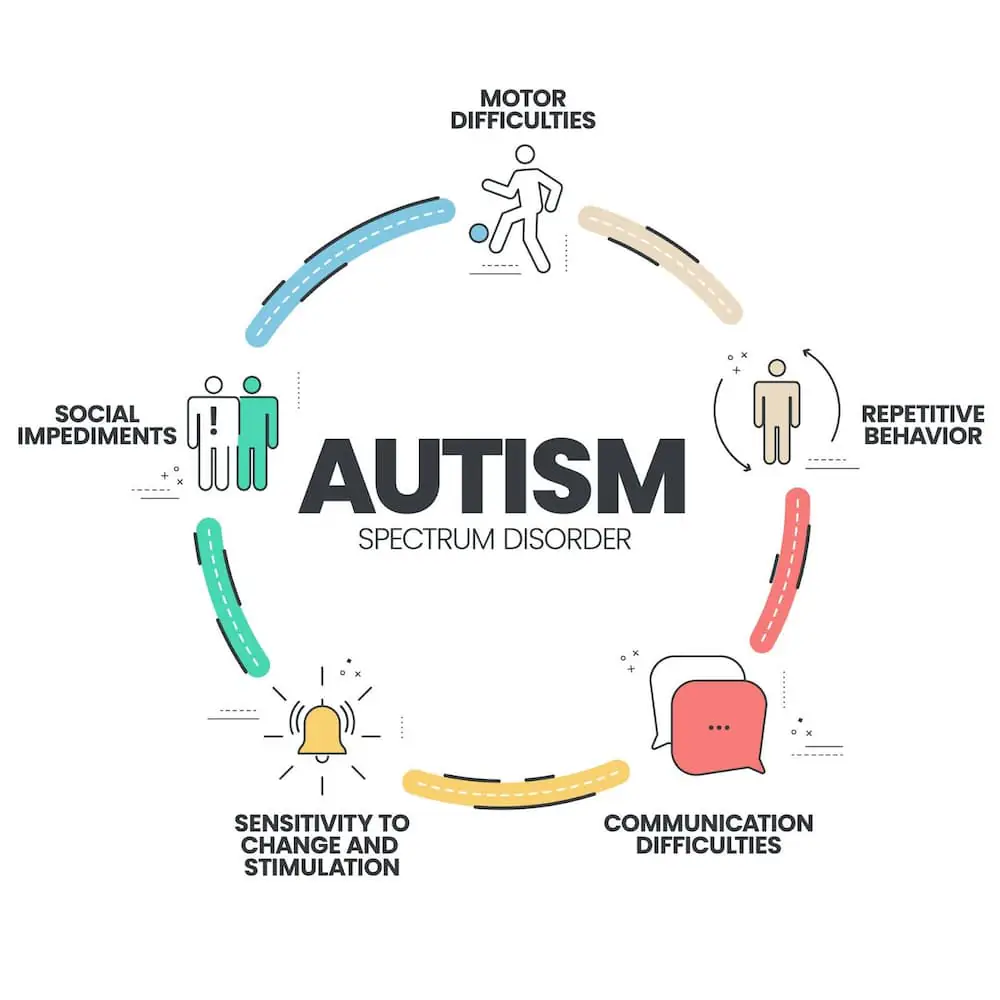
Autism Spectrum Disorder (ASD) is a complex neurodevelopmental condition that affects how a person communicates, interacts socially, and processes information. It is called a “spectrum” because symptoms and severity vary widely among individuals. Common traits include difficulties with social interactions, repetitive behaviors, and challenges with verbal and non-verbal communication.

Autism Management

Managing Autism Spectrum Disorder (ASD) requires a comprehensive and personalized approach, as each individual with autism has unique needs and challenges. While there is no one-size-fits-all solution, combining early intervention with tailored therapies can significantly improve outcomes. The management of autism goes beyond behavioral and speech therapies, extending into environmental factors, diet, and overall health.

What is Autism and Why Personalized Treatment Matters

Autism, also known as Autism Spectrum Disorder (ASD), is a neurological condition that impacts social communication, interaction, and behavior. It is called a “spectrum” disorder because the severity of symptoms varies widely from person to person.

  • Individual Needs: Each child with ASD has a unique set of symptoms, making it crucial for treatments to be tailored to the individual rather than using a one-size-fits-all approach. Personalized therapies, such as behavioral therapy, speech therapy, and physical exercises, offer more targeted results and better support for each child’s specific needs.
  • Effectiveness of Individual Therapy: When treatments are customized to address specific challenges, children with ASD can experience better outcomes. Personalized attention ensures that the therapy can adapt to the child’s evolving needs over time.
Genetic vs. Environmental Factors in Autism

The exact cause of autism remains unclear, but studies show that it is primarily influenced by environmental factors (over 95%) rather than genetics (<5%).

  • Environmental Factors: These factors play a significant role in the onset and severity of autism. Our research focuses on identifying chemicals and toxins commonly found in food, water, and medicine that could contribute to the development and worsening of ASD symptoms.
  • Genetic Factors: Although less than 5% of ASD cases are linked to genetic factors, certain genetic predispositions can make an individual more vulnerable to environmental triggers that exacerbate the condition.
Harmful Chemicals and Their Impact on Autism

Our study investigates the chemicals commonly found in food and the environment, which may contribute to the development or aggravation of autism symptoms.

  • Chemicals to Avoid: These include preservatives, additives, pesticides, fungicides, and herbicides commonly used in food production. Exposure to these chemicals has been linked to worsening autism symptoms and other health issues.
  • Environmental Challenges for Parents: Parents of children with ASD often face additional stressors in managing environmental factors. Understanding and avoiding these harmful chemicals can be a critical step in mitigating their impact on a child’s development.
The Role of Toxin-Free Diets and Water in Managing Autism

While autism cannot be cured, early intervention and a tailored approach to treatment can make a significant difference. Our research emphasizes the importance of a toxin-free diet and clean water as part of a holistic approach to managing autism.

  • Underlying Health Conditions: For therapies like speech and behavior therapy to be effective, underlying health conditions such as autoimmune diseases, PKU, and CNS disorders must first be addressed. Children suffering from these conditions often find it difficult to respond positively to ASD treatments.
  • Empowering Parents with Knowledge: Our goal is to support parents by providing information on how to identify harmful chemicals in food, water, and medicines, and to help them make informed decisions to improve their child’s overall health and wellbeing.

Change Your Life

Find Your Inner Peace & Happiness

Exploring Breakthrough Studies

We have years of research experience and our papers has been published in research gate publications.

Publications
0 +
Reads
0 +
Citations
0 +

The Role of

Nutrition in Autism

Healing Through Food: Emerging Therapies for Autism

Food is becoming a vital tool in autism therapy, with emerging research highlighting its impact on brain and gut health. Nutritional interventions, like omega-3-rich diets, probiotics, and gluten-free approaches, are gaining attention for their potential to reduce symptoms and improve quality of life. By addressing common nutritional deficiencies and optimizing gut-brain interactions, these therapies target core challenges in autism. 

Key Deficiencies Affecting Individuals with Autism

Individuals with autism often face nutrient deficiencies due to selective eating habits, dietary restrictions, or metabolic differences. Common deficiencies include omega-3 fatty acids, vitamin D, zinc, magnesium, and B vitamins. These nutrients are critical for brain function, mood regulation, and overall health. Addressing these deficiencies through dietary adjustments and supplementation can help manage symptoms, enhance cognitive function, and improve overall well-being.
Foods Supporting Cognitive and Physical Health in Autism

Certain foods and dietary strategies show promise in managing autism symptoms. Omega-3-rich foods like fatty fish and flaxseeds may enhance cognitive function and reduce hyperactivity. Probiotic-rich options, such as yogurt and kefir, can improve gut health, potentially easing anxiety. Gluten-free and casein-free diets may help some individuals by addressing sensitivities. Whole-food diets with fruits, vegetables, and lean proteins provide vital nutrients for overall well-being.
Innovative Research and Promising Discoveries in Autism Nutrition

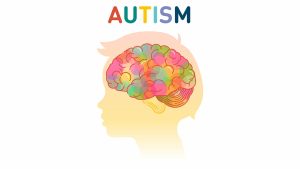
Exciting breakthroughs highlight nutrition’s role in managing autism. Microbiome research, such as fecal microbiota transplants (FMT), shows potential for rebalancing gut bacteria and improving behavior. The ketogenic diet, originally for epilepsy, is being studied for its brain health benefits. Polyphenols from berries and green tea may offer anti-inflammatory and neuroprotective effects. Personalized nutrition, leveraging genomics and metabolomics, aims to create tailored interventions for more effective outcomes.
Scroll to Top