
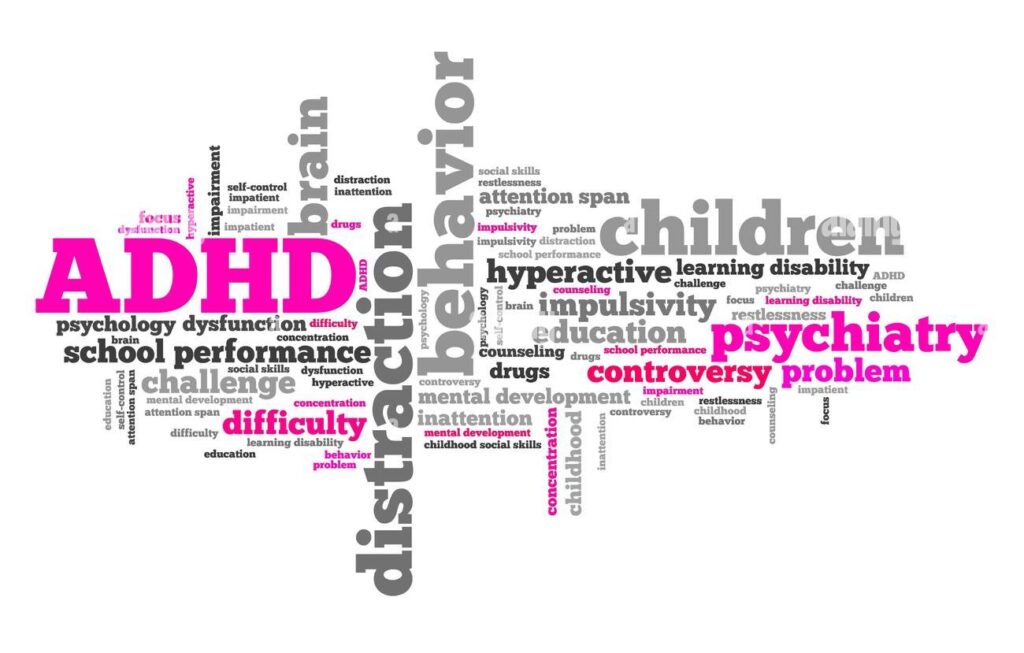
We Deal with Attention Deficit Disorder (ADD)

We Suggest Ideal Medication with Functional Foods to Control ADD

5-10%

school-aged children are affected

30-50% cases

Persist into adolescence and adulthood.

D & B12

Vitamins can balance the affect of ADD/ADHD

What is ADD/ADHD?

Attention deficit disorder (ADD) is the most prevalent neuropsychiatric disorder, affecting 5-10% of children in school age, and continuing through adolescence and adulthood in about 30-50% of them. The developmentally inappropriate and impairing inattention, hyperactivity, and impulsivity patterns are the characteristics of this chronic neurobiological condition.

Attention Deficit Hyperactivity Disorder (ADHD) is a chronic illness that exhibits developmental inappropriate behavior, such as poor attention skills, impulsiveness, and hyperactivity.   The development of ADHD is likely influenced by both genes and environmental factors.

ADD/ADHD Management

We have found that a multimodal treatment plan that incorporates education, effective instruction, behavior management strategies, family and child counseling, and good parenting and home management can be more successful. Since each ADD/ADHD child is an individual, home management training and learning treatment plans for parents would be highly appropriate.

How Does ADD/ADHD Impact Social and Emotional Development?

ADD/ADHD significantly affects a child’s ability to form and maintain relationships. Their impulsiveness, hyperactivity, and inattention can lead to difficulties in understanding social cues, maintaining friendships, and developing healthy emotional responses. This can result in feelings of isolation and frustration. Boys are diagnosed with ADD/ADHD more frequently than girls, which can skew the understanding of how the condition affects different genders. Studies indicate that early interventions focusing on social skill development are critical for improving emotional regulation and social interactions. Source: CDC ADD/ADHD Overview.

What Role Do Neurotransmitters Play in ADD/ADHD?

Neurotransmitters such as dopamine (DA) and norepinephrine (NE) are central to the development of ADD/ADHD. These brain chemicals are responsible for regulating attention, focus, and impulsivity. An imbalance in these neurotransmitters can lead to symptoms of ADHD. Accurate measurement of norepinephrine, particularly its role in stress hormones, can help refine treatment strategies. Emerging research suggests that targeting neurotransmitter activity with medication, diet, and lifestyle adjustments can improve symptom management. Source: NIMH on ADHD Brain Function.

The Importance of Nutritional Support in Managing ADD/ADHD

Vitamins such as Vitamin D and Vitamin B12 play a key role in modulating neurotransmitter function and overall brain health. Research indicates that deficiencies in these vitamins can exacerbate symptoms like hyperactivity, poor focus, and impulsivity. Addressing nutritional gaps through functional foods or supplements can support neurotransmitter balance, improve behavior, and enhance focus. For example, omega-3 fatty acids and iron have also shown positive effects on ADHD symptoms. Incorporating dietary changes alongside other treatments may lead to improved outcomes. Source: Nutrition and ADHD – PubMed.

How Does a Multimodal Approach Improve ADHD Management?

A comprehensive treatment plan combining educational interventions, behavior management strategies, and family counseling has proven highly effective in managing ADD/ADHD. Structured instruction in schools can help improve focus, while behavioral therapies can teach children coping mechanisms to manage their impulsivity and inattention. Parental guidance and training in home management strategies empower families to provide consistent support tailored to the child’s unique needs. This holistic approach ensures that the child’s academic, social, and emotional needs are met. Source: CHADD on ADHD Treatment Plans.

What Makes Green Medicines and Nano-Medicines a Promising Solution?

Nano-medicines and plant-based green medicines are emerging as alternatives to traditional stimulants for ADD/ADHD management. These innovative treatments aim to control hyperactivity, improve attention span, and reduce aggressive behavior without the side effects commonly associated with conventional medications, such as insomnia, appetite suppression, or drowsiness. By incorporating functional foods with medicinal properties, these therapies provide a safer, natural approach to symptom management. Research into these methods is ongoing, but initial studies suggest they could revolutionize ADHD treatment. Source: Advances in Green Medicine – PubMed.

Why is Parental Training Critical for Effective ADHD Management?

Since no two ADD/ADHD children are alike, parents play a crucial role in tailoring home environments to suit their child’s specific needs. Parental training programs focus on teaching effective behavior management strategies, reinforcing positive actions, and minimizing triggers that exacerbate symptoms. Such training also helps parents understand the nuances of their child’s condition, enabling them to provide structured, consistent support. Studies show that homes with trained parents experience fewer behavioral conflicts and better long-term outcomes for ADHD children. Source: APA Parenting and ADHD.

The Role of Stress Management in ADD/ADHD Treatment

Managing stress hormones such as norepinephrine is critical for addressing the physiological impact of ADD/ADHD. Chronic stress can worsen symptoms like inattention and impulsivity, making it vital to incorporate relaxation techniques into the treatment plan. Activities like mindfulness exercises, yoga, and play therapy can help regulate stress responses in children, promoting a calmer, more focused mindset. Coupled with dietary changes and behavior therapy, these strategies provide a well-rounded approach to stress management in ADHD. Source: Harvard Health – ADHD and Stress.

Change Your Life

Find Your Inner Peace & Happiness

Exploring Breakthrough Studies

We have years of research experience and our papers has been published in research gate publications.

Publications
0 +
Reads
0 +
Citations
0 +

The Role of

Stress Management in ADD/ADHD

The Link Between Stress Hormones and ADHD

Stress hormones, especially norepinephrine, play a crucial role in the physiological aspects of ADD/ADHD. Elevated stress levels can exacerbate core symptoms like inattention, impulsivity, and hyperactivity, making daily functioning more challenging. Addressing stress hormones through lifestyle adjustments, relaxation techniques, and mindfulness can help regulate emotional responses and improve focus. Strategies such as yoga, deep breathing exercises, and guided meditation are effective in reducing stress-related hormone spikes. Managing norepinephrine alongside other treatment modalities provides a balanced and comprehensive approach to ADHD symptom management, fostering better behavioral and emotional outcomes.

A tired woman in a red sweater leans her head on a desk with a laptop, symbolizing workplace fatigue.

How Mindfulness Helps ADHD Stress Management

Mindfulness exercises, such as meditation and body scans, help children with ADHD manage stress and improve their focus. These practices reduce the impact of elevated norepinephrine levels by promoting a calmer mental state. Mindfulness fosters self-awareness, emotional regulation, and the ability to process thoughts without impulsivity. Techniques like guided imagery or simple breathing exercises are particularly effective for younger children. Regular practice of mindfulness can help ADHD children improve their attention span, reduce hyperactivity, and lower stress, ultimately enhancing their quality of life and performance in academic and social settings.

 

A man enjoys outdoor relaxation and mindfulness beneath a bright, cloudy sky, exuding calm and peace.

Play Therapy: A Creative Stress Solution

Play therapy offers a creative and therapeutic way for children with ADHD to manage stress. By engaging in structured play, children learn to express their emotions, develop coping mechanisms, and channel their hyperactive energy productively. Activities like role-playing, drawing, or storytelling provide a non-threatening environment for children to process their emotions and learn problem-solving skills. Play therapy also helps reduce cortisol and norepinephrine levels by promoting relaxation and self-expression. When combined with other treatments like mindfulness and behavioral strategies, play therapy can be a highly effective tool for managing stress in ADHD children.

Close-up of children's hands playing with animal plastic toys.

The Role of Yoga in ADHD Treatment

Yoga is an excellent tool for ADHD treatment as it combines physical movement with mental relaxation, helping children manage stress effectively. Practices like controlled breathing, stretching, and balance-focused poses promote emotional regulation and mindfulness. By lowering stress hormones such as norepinephrine, yoga helps reduce hyperactivity and improve focus in ADHD children. Additionally, yoga sessions encourage a sense of routine and discipline, which are often beneficial for children struggling with attention deficits. Regular yoga practice, even in short sessions, has been shown to significantly improve behavioral outcomes and provide long-term stress relief in children with ADHD.

 

A person practices a high-level yoga pose on a pier by the ocean, capturing serene balance.

Join Us in Making a Difference

Fill up the Form and Ask Your Queries

Address

Mirza Golam Hafiz College
Ashulia, Dhaka-1344, Bangladesh

Phone

+88-01743-038602

Email

mdmozzammelhaque@yahoo.com
anisur.rahman@g-med.org

Ask Your Queries

We need to know your name to address you.
This field is required.
Who is facing the issue?
This field is required.
You need to let us know what this is about.
Address
This field is required.
Country
This field is required.
Scroll to Top